July 2019
…highlights scale, impact, and agricultural consequences of the Boko Haram conflict
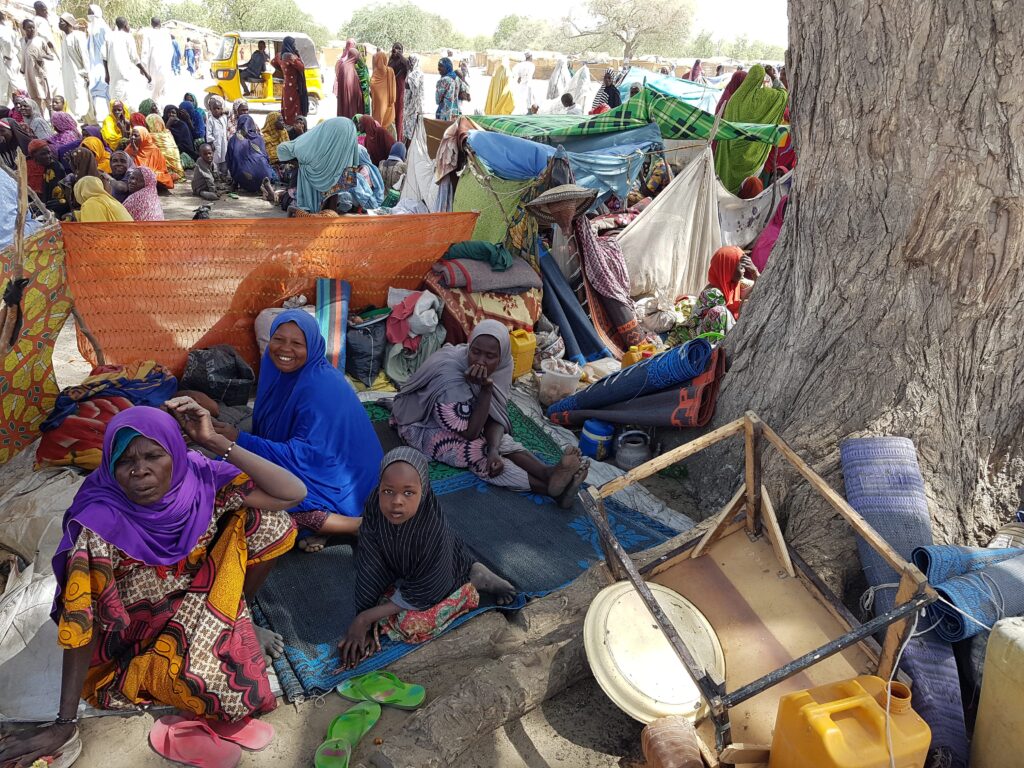
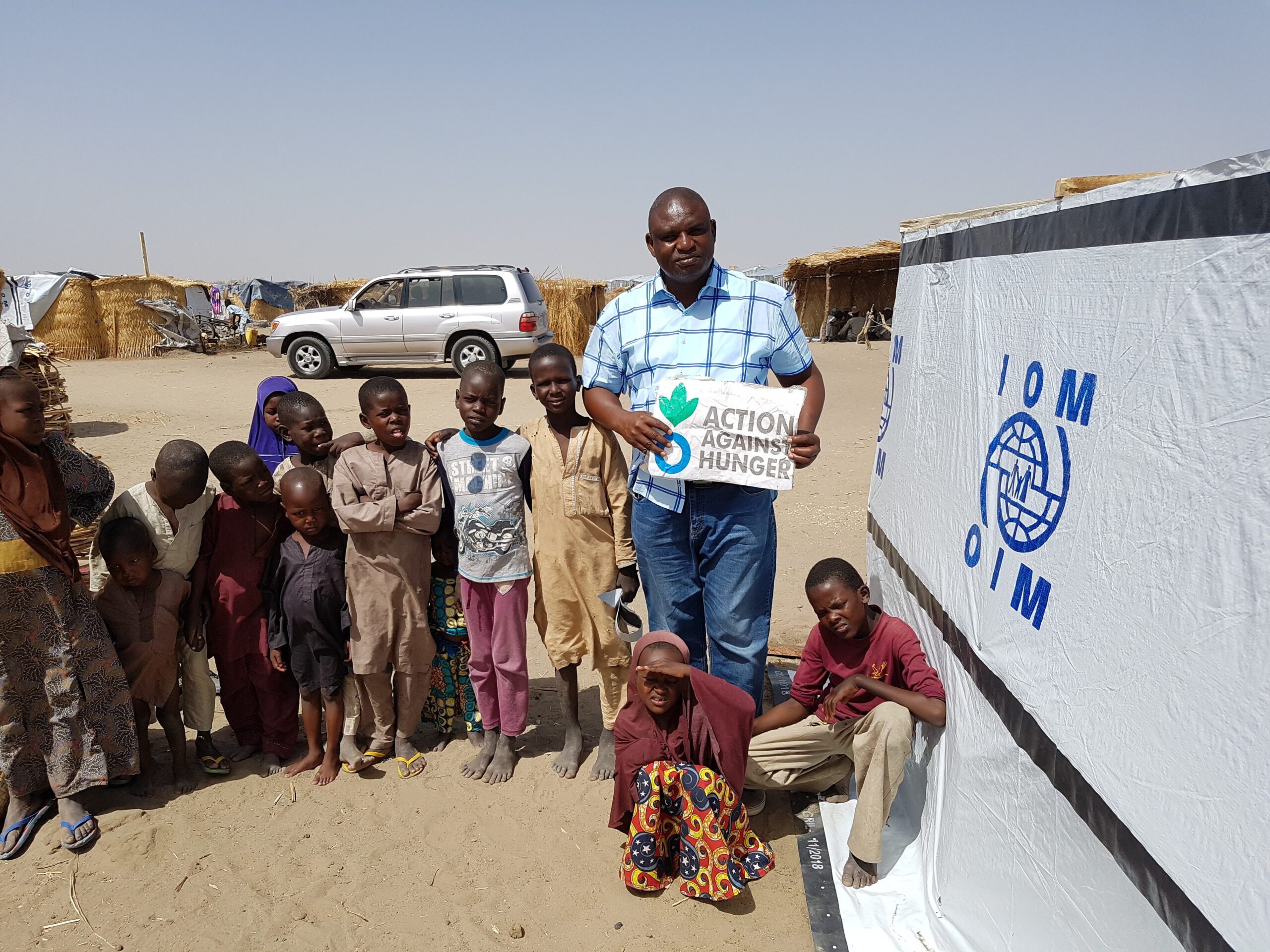
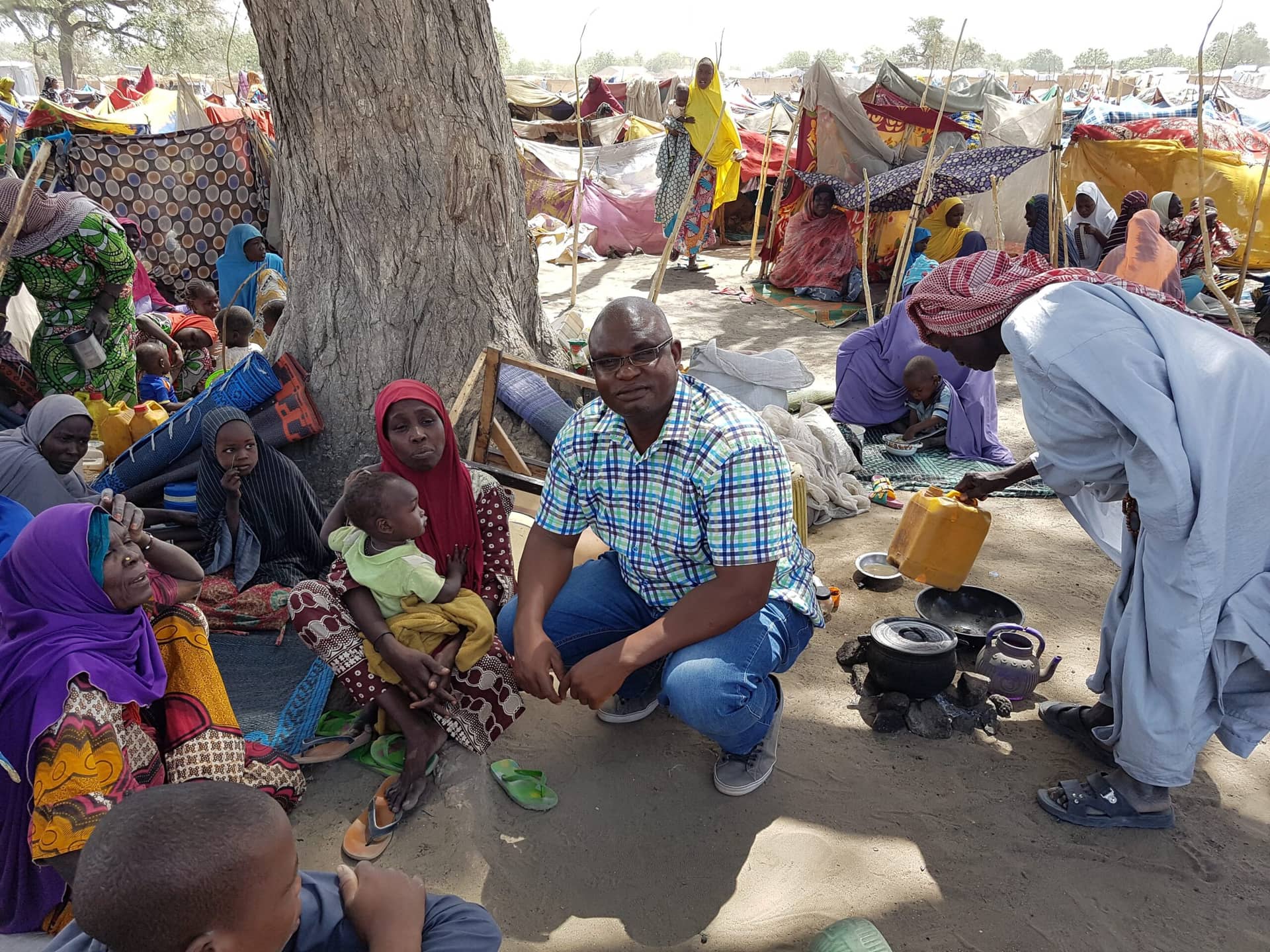
In 2019, Dajrhas Health and Agric Development Ltd undertook field engagements across internally displaced persons (IDP) camps in north-eastern Nigeria, particularly around Maiduguri and adjoining communities in Borno State, as part of its assignment as National Consultant for the Action Against Hunger (ACF International)–supported study on Innovative Agricultural Practices in the Lake Chad Region, funded by the European Union.
The fieldwork, conducted between March and July 2019, took place against the backdrop of one of Africa’s most protracted humanitarian crises. By 2019, the Boko Haram conflict had displaced an estimated 2 million people within north-eastern Nigeria, with Borno State accounting for over 60 percent of the displaced population. Maiduguri had become the epicenter of displacement, hosting hundreds of thousands of IDPs across formal camps and host communities.
Situation Report from the Field (2019)
Field observations revealed that a large proportion of displaced households were formerly smallholder farmers who had lost access to farmland due to insecurity. In many camps, more than 70 percent of households reported agriculture as their primary livelihood prior to displacement, yet fewer than 20 percent had any access to land or productive assets at the time of assessment.
Food insecurity was widespread. In 2019, humanitarian assessments indicated that over 4 million people in Borno, Adamawa, and Yobe States were facing acute food insecurity, driven by conflict, disrupted markets, and reduced agricultural production. IDP households relied heavily on food assistance, with limited ability to supplement rations through farming or livestock activities.
Water access emerged as a critical limiting factor. Most camps depended on boreholes and communal water points designed for domestic use, often serving more than 250 people per water source, leaving little scope for productive water use. Small-scale gardening activities observed in some camps relied on recycled household water or seasonal rainfall, making production highly vulnerable and inconsistent.
Women and youth bore a disproportionate share of the burden. Across multiple camps, women were responsible for household food provisioning and water collection, while youth engaged in informal labor, petty trading, or subsistence gardening as coping strategies. These efforts, though innovative, remained insufficient to restore pre-conflict livelihood levels.
Impact of Conflict on Agriculture
By 2019, the Boko Haram insurgency had significantly disrupted agricultural systems across north-eastern Nigeria. Cultivated land area in many rural communities had declined sharply due to fear of attacks, land abandonment, and restricted movement. Insecurity disrupted planting and harvesting cycles, while damaged infrastructure and market closures reduced access to inputs and outlets for produce.
The loss of agricultural livelihoods directly translated into increased dependency on humanitarian aid and reduced resilience among displaced populations, reinforcing a cycle of vulnerability and poverty.
Reiterating the Purpose of the Study
The realities observed in IDP camps reinforced the core objective of the Action Against Hunger–EU study: to identify innovative, low-input, and water-efficient agricultural practices capable of supporting food security and livelihoods in conflict-affected and displacement settings.
Field evidence underscored that effective interventions must:
- Explicitly include displaced populations in agricultural planning
- Prioritize water-sensitive and land-efficient production systems
- Link humanitarian response with early recovery and resilience programming
- Be grounded in reliable, field-generated data
As emphasized during the engagement, “leaving no one behind requires that displaced farming households remain visible in data, policy, and programme design.”
Lasting Significance
The 2019 field assessments contributed directly to the analytical findings and recommendations of the Lake Chad Region study, supporting evidence-based humanitarian and development programming focused on agriculture, water security, and livelihoods. They also strengthened Dajrhas’ role in delivering field-driven, policy-relevant analysis in fragile and conflict-affected environments.
Reporting Period: March – July 2019
Location: IDP Camps and Host Communities, Borno State
Displacement Scale (2019): 2 million IDPs in North-East Nigeria
Food Insecurity (2019): 4 million people acutely food insecure (BAY States)
Partners: Action Against Hunger (ACF International), European Union
Market Sensitization and Orientation Mark First Phase of Al Photo-Base
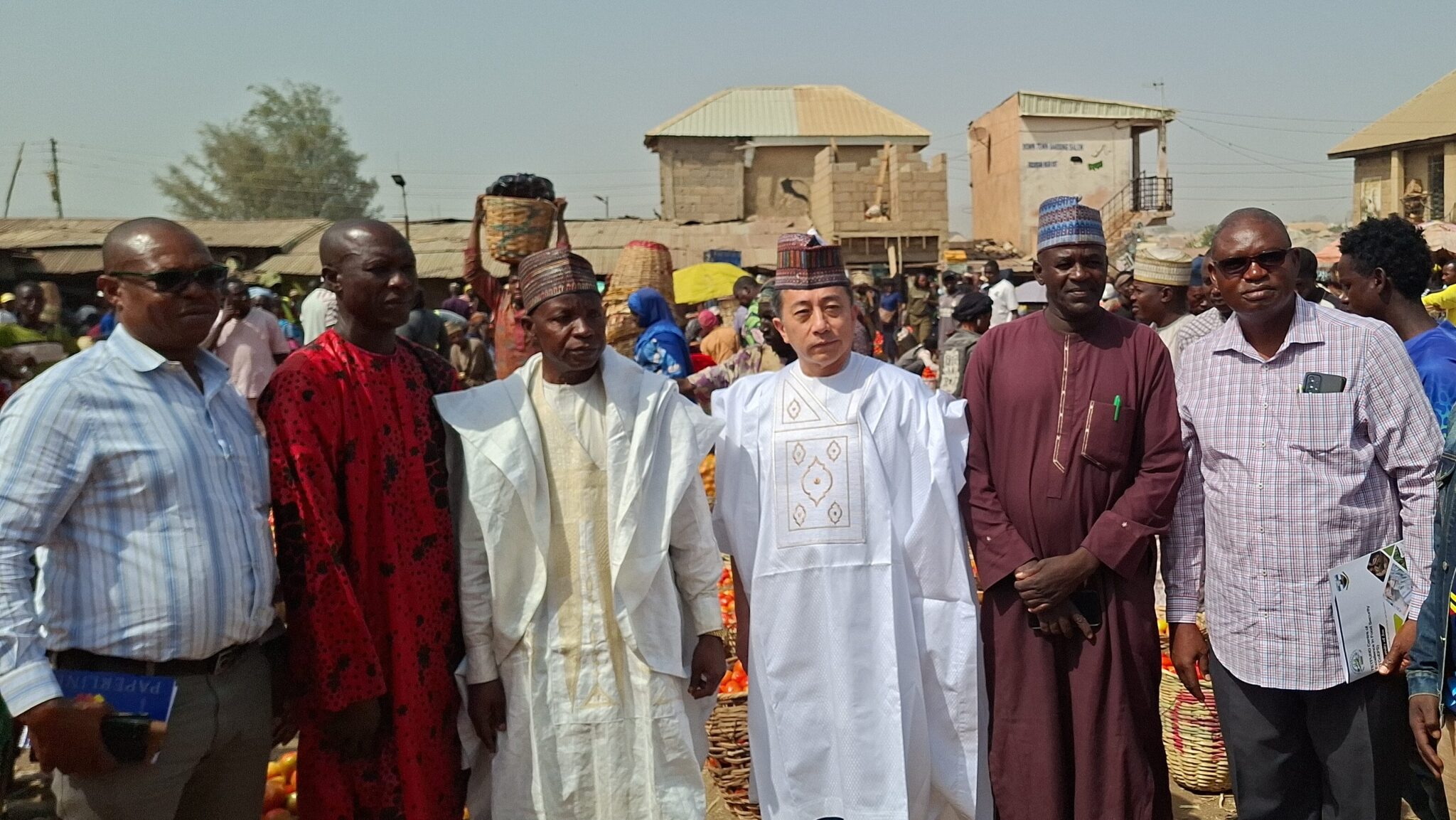
An AI photo based market assessment field test is currently underway in selected vegetable markets in Jos, including Farin Gada…

Delegation From USLGE and RSG To Visit Dajrhas and Plateau
Dajrhas Health and Agric Development Ltd, in collaboration with the TETFund Centre of Excellence in Food Security (TCoEFS), University of…
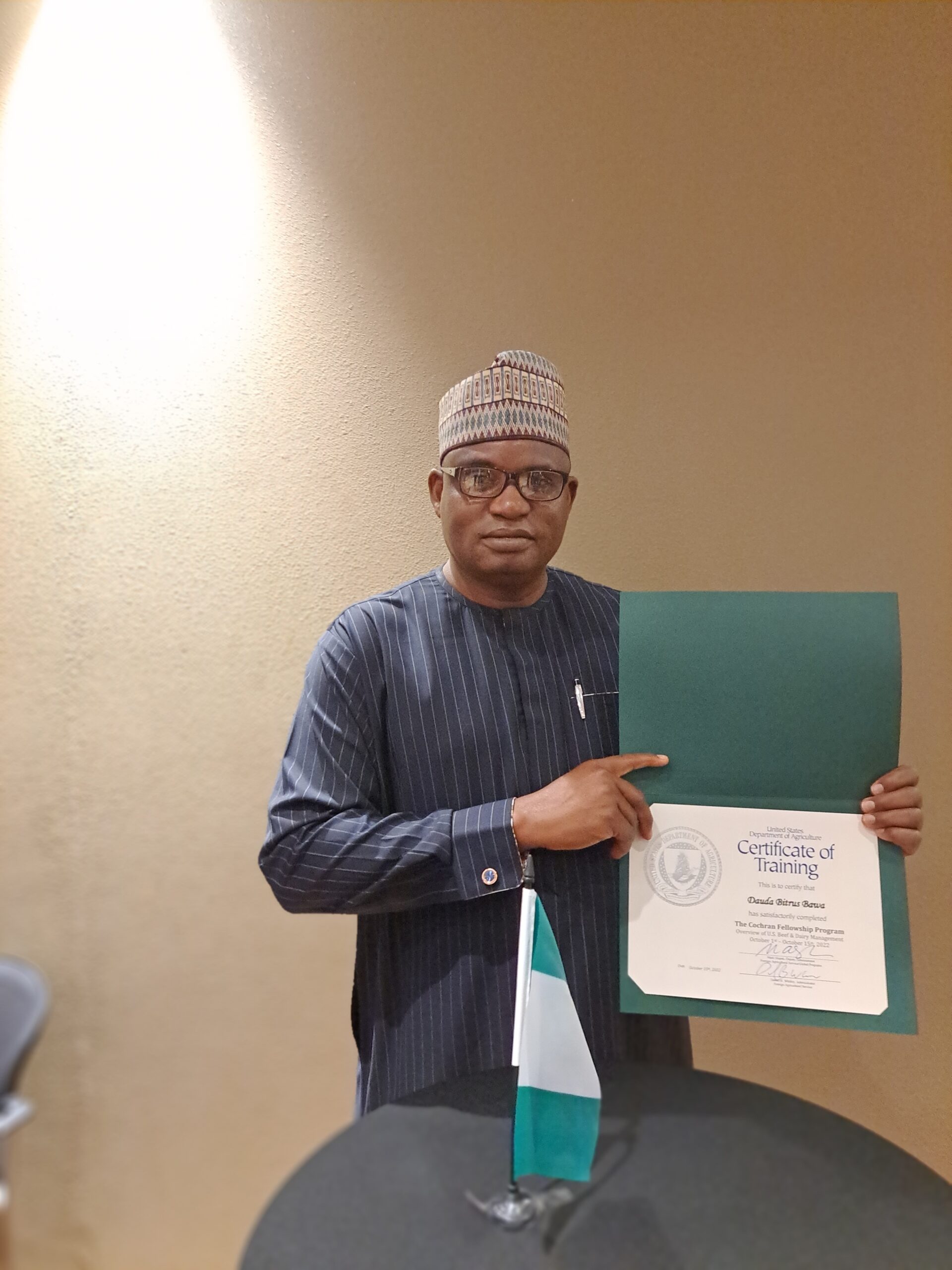
DAJRHAS Director Completes USDA-FAS Cochran Fellowship Programme in the United
Location: Wisconsin, United States …reinforces data-driven, climate-smart, and value-chain–oriented agricultural development The Director of Dajrhas Health and Agric Development Ltd has successfully…
DAJRHAS Documents Field Realities in IDP Camps Across North-Eastern Nigeria
July 2019…highlights scale, impact, and agricultural consequences of the Boko Haram conflict In 2019, Dajrhas Health and Agric Development Ltd undertook…
DAJRHAS Serves as National Consultant for Action Against Hunger–EU Study
Innovative agricultural practices must work for the most vulnerable, not only the most visible….